Okefenokee Swamp named World Heritage Site
It’s official: the Okefenokee Swamp is a UNESCO World Heritage Site.
The Okefenokee National Wildlife Refuge (ONWR) was inscribed as a UNESCO World Heritage Site on Saturday, joining a list of fewer than 1,250 places on Earth recognized for “outstanding universal value.” It became the 27th World Heritage Site in the United States and the first site in the state of Georgia.
The Okefenokee now stands alongside the country’s most iconic natural and cultural landmarks: Yellowstone and Mesa Verde National Parks, the first two U.S. sites inscribed in 1978, plus Yosemite, the Grand Canyon, the Statue of Liberty, Independence Hall, the Florida Everglades, and others. It joins a global list that includes the Galapagos Islands, Stonehenge, the Taj Mahal, and the Great Barrier Reef.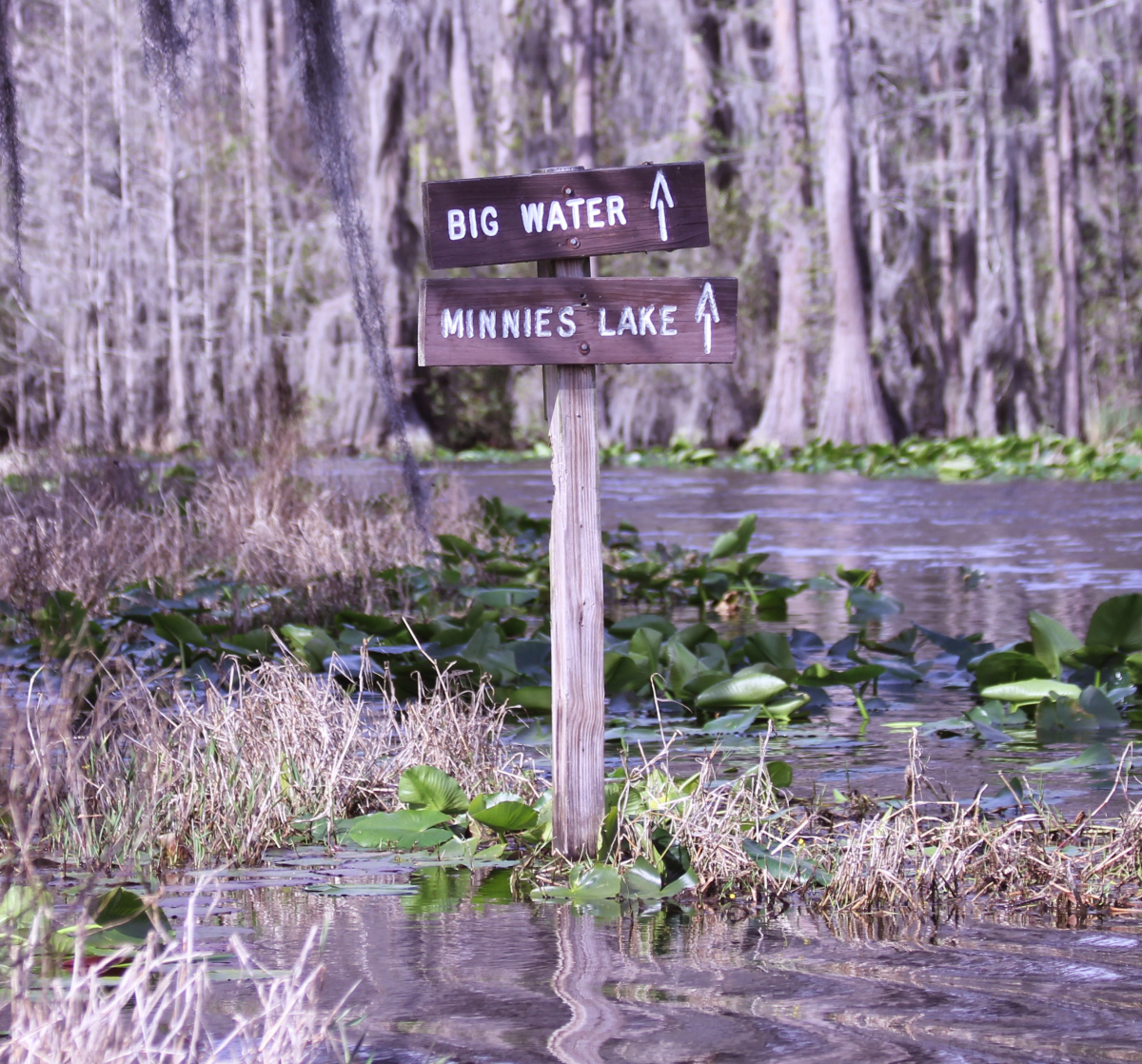
The Okefenokee National Wildlife Refuge is a nearly half-million-acre mosaic of upland forests, wet and dry prairies, and wetlands in southeast Georgia and northeast Florida that provide habitat and breeding grounds for hundreds of species, including many that are threatened or endangered. It is the headwaters of the St. Marys and Suwannee Rivers, creating a continuous wildlife corridor from the Atlantic Ocean to the Gulf.
The Okefenokee is a National Wildlife Refuge, the first ever managed entirely by the U.S. Fish and Wildlife Service to receive the designation, and represents the largest predominantly rainwater-fed lowland peatland in the subtropical zone worldwide, and is one of the largest and most intact remaining ecosystems within the North American Coastal Plain Biodiversity Hotspot. The Okefenokee UNESCO World Heritage Inscription book is the most comprehensive scientific analysis ever conducted on the Okefenokee Swamp.
This World Heritage Site designation is projected to inject an additional $60 million into the local economy (Clinch, Ware and Charlton counties) each year. The prestigious status is expected to double the current annual visitation and create approximately 750 long-term jobs in the region. Ware, Clinch and Charltoun counties surround the swamp and have entrances into the refuge, and will be most directly affected, but also will surrounding counties.
The designation will have no effect on how the refuge is managed. All World Heritage Sites remain under the ownership and management of the host nation or local authorities. UNESCO’s role is purely to oversee the nomination process, maintain the registry, and monitor the preservation of these locations. UNESCO has no authority or jurisdiction over any World Heritage Site.
The three primary gateways to the swamp are Okefenokee Adventures/ ONWR Headquarters in Folkston, Okefenokee Swamp Park in Waycross, and Stephen Foster State Park in Fargo. Okefenokee Swamp Park, Inc. served as the nonprofit partner supporting the World Heritage nomination throughout 2021–2026, including the final phase leading to UNESCO approval. The bid has been in progress for more than four decades.
The News will have more details on this in its next print edition.